MENU

Preparing for a Caravan Holiday - What You Need to Know

Preparing for a Caravan Holiday - What You Need to KnowCaravan holidays combine transportation and accommodation, giving you a great deal of flexibility when planning your trip. You can wake up by the sea one day and among pine forests the next, changing your route as you travel. However, travelling by caravan is different from taking an ordinary holiday in a passenger car. The vehicle's dimensions, water and electricity capacity, accommodation conditions and daily living requirements should all be considered before setting off. Especially if this is your first caravan holiday, a few basic preparations can make both driving and living in the caravan much easier.

Determine Your Needs Before Choosing a Caravan

When choosing a caravan, it is not enough to consider only how many people it can accommodate. The length of your trip, the roads you will use, the vehicle's dimensions, sleeping capacity, storage space and your driving experience should all be evaluated together. A compact camper or panel van may be sufficient for a trip for two, while families with children may prefer a larger motor caravan. If you are considering a caravan trailer, you should also check the towing vehicle's technical suitability, the caravan's weight and whether the vehicle-trailer combination complies with the applicable regulations. For motor caravans, the vehicle's Maximum Permissible Laden Mass (MPLM) is important when it comes to driving licence requirements. Vehicles with a maximum permissible laden mass of up to 3,500 kg can be driven with a Class B driving licence, while different licence categories may apply to vehicles above this limit. Therefore, before renting or purchasing a vehicle, the technical information stated on the registration document and the applicable driving licence requirements should be checked together. For caravan trailers, it is not sufficient to look only at the distinction between trailers below or above 750 kg. The caravan's classification, the towing vehicle's technical specifications and the combined weight of the vehicle and trailer should all be evaluated together. In Türkiye, a new registration procedure for O1-class trailers came into effect on 1 July 2025. As of this date, O1-class trailers manufactured with a maximum permissible laden mass of up to 750 kg must be registered at a notary and issued a licence plate. Therefore, especially when renting or purchasing a used caravan trailer, it is important to check its registration and documentation status in advance.

Plan Your Route and Accommodation Realistically

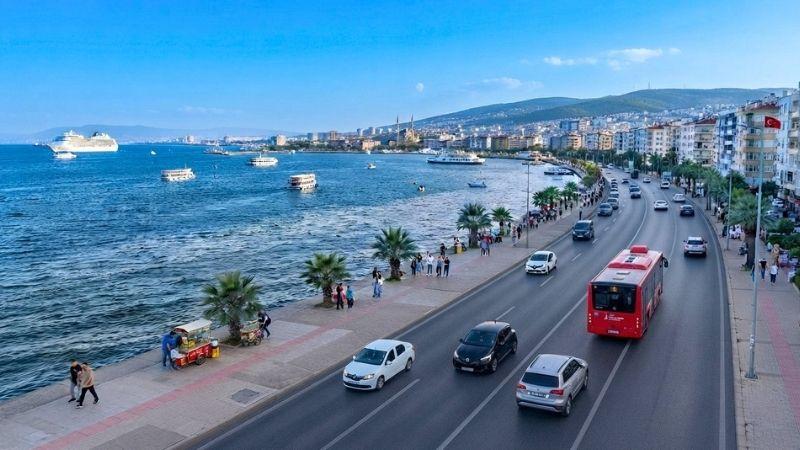
When travelling by caravan, do not assume that you can cover the same distance in the same amount of time as you would in a passenger car. The vehicle's height, weight and width can slow you down, particularly on narrow streets, winding coastal roads and steep inclines. Instead of planning excessively long daily routes, create a balanced itinerary that leaves enough time for the journey itself and for your stops along the way. It is also useful to research accommodation options in advance. Especially on your first trip, organised campsites with access to electricity, water, showers and waste disposal facilities can make things much easier. Applications such as Park4Night can be used to research different locations, but you should also check whether user reviews are up to date and verify the current conditions of the site. If you are travelling from a distant city or from abroad, another practical option may be to fly to your destination region and start your caravan journey from there rather than beginning the entire journey by road. For example, for those who want to explore Izmir and its surrounding areas, Izmir Adnan Menderes Airport is a convenient starting point for reaching the region.

Managing Water and Electricity in a Caravan

A significant part of comfort in caravan life comes from managing limited resources efficiently. Since water tank capacity is limited, water should be used carefully when showering and washing dishes. When filling the water tank, using a hose suitable for drinking water and carrying connection adapters compatible with different taps can make things easier. If you are not connected to mains electricity at a campsite, your energy needs are supplied through the leisure battery and, if available, the solar panel system. High-power appliances such as kettles, hair dryers and electric heaters can drain the battery quickly. When staying off-grid, it is important to monitor energy consumption and use appliances as efficiently as possible.

Learn How the Waste Water and Toilet Systems Work

Learning how the caravan's fresh and waste water systems work before setting off can make everyday use much easier. Grey water is wastewater from the sink and shower. It should not be discharged into nature or by the roadside and should only be emptied at suitable waste water disposal points. For cassette toilets, you should learn in advance how to remove the cassette, how to use the products recommended by the manufacturer and where it can be emptied. Waste should only be disposed of at designated and appropriate facilities. Although these procedures may seem unfamiliar at first, they quickly become part of the normal routine of caravan travel.

Take the Vehicle's Dimensions into Account When Driving a Caravan

When driving a caravan, you need to assess the road from a wider perspective than you would in a passenger car. You should constantly take the vehicle's height, width and rear overhang into account. Height: Before entering petrol stations, covered car parks or passages with low ceilings, check the vehicle's maximum height. Awnings, air-conditioning units and other roof-mounted equipment can increase the overall height. Wind: High-profile motor caravans and caravan trailers can be more affected by crosswinds. On viaducts, exposed coastal roads and when passing large vehicles, adjust your speed according to the road and weather conditions. Avoid sudden steering movements. Maneuvering: In narrow streets and parking areas, remember that the rear of the caravan may follow a different path as you turn. If you are driving one for the first time, taking a short drive in a quiet area before entering heavy traffic can help you become familiar with the vehicle's dimensions. Levelling: If you are staying on sloping ground, levelling blocks can help keep the vehicle more stable. This improves comfort in the living area and can also help certain systems operate more efficiently.

Check the Essential Equipment Before Setting Off

Instead of carrying unnecessary items in the caravan, it is better to choose equipment that you will actually use. A water hose and connection adapters, a suitable electrical cable and adapters, levelling blocks, a first aid kit, a fire extinguisher and basic hand tools are among the main items you may need during your trip. Before setting off, also carry out a quick final check: • Make sure all cupboards and drawers are closed. • Secure any loose items on the worktop or other surfaces. • Check that the awning, exterior steps and other external equipment are closed and secured. • Check the fresh and waste water connections. • Check the tyre pressures and lights. • Check the fuel level and review the essential stops along your route.

Respect Nature and the Area Where You Stay

The freedom offered by a caravan does not mean that you can stay anywhere without restrictions. Particularly along coastlines, in forests and in protected areas, local regulations and seasonal restrictions may apply. If you are considering wild camping, check the current rules in the area you are visiting in advance. Do not leave rubbish behind, dispose of wastewater at appropriate facilities and follow local regulations regarding campfires. Respecting the peace and comfort of other people in the area is also an important part of caravan culture. The aim of a well-prepared caravan holiday is not to plan every detail perfectly. In most cases, choosing the right vehicle, creating a realistic route, learning how to manage your basic needs and carrying out the necessary checks before setting off are enough. Once you have done these things, a caravan becomes more than just a means of transportation and accommodation; it turns into a flexible travel experience in which you can shape your route according to your own decisions.